


How Much Garlic Powder Equals One Clove of Garlic? Complete Conversion Guide
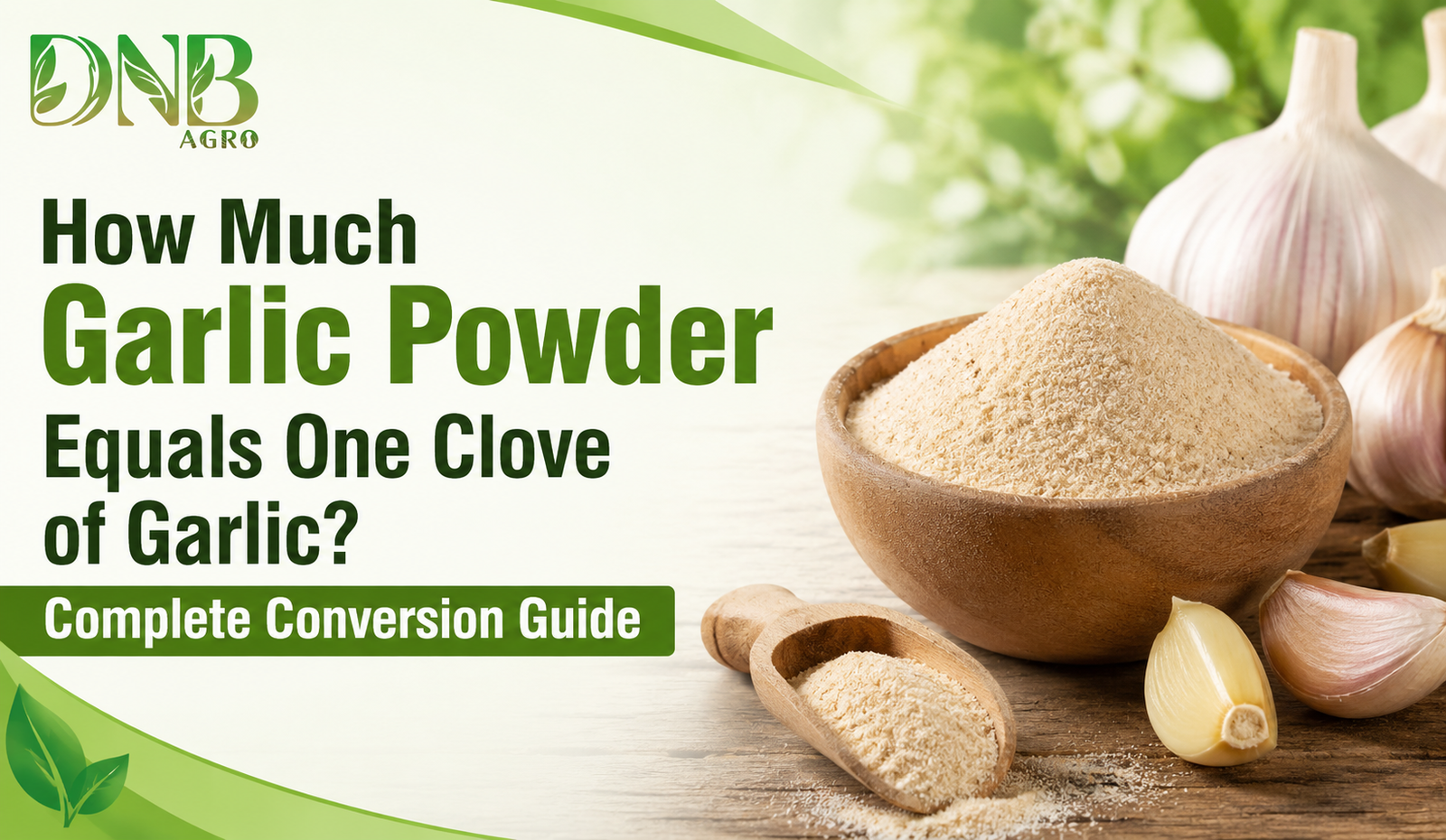
If you are replacing fresh garlic in a recipe, a useful starting point is 1/8 to 1/4 teaspoon of garlic powder for one average garlic clove. The exact amount depends on the size of the clove, the strength of the garlic powder, and how prominent you want the garlic flavor to be.
So, if you are wondering 1 clove garlic equals how much garlic powder, there is no single measurement that works perfectly in every situation. A practical garlic powder to garlic clove conversion gives you a starting range that you can adjust according to the recipe and your taste.
This guide covers common conversions, substitution tips, differences between fresh and powdered garlic, and situations where you may need to adjust the amount.
How Much Garlic Powder Equals One Clove of Garlic?
A useful starting point is around 1/8 to 1/4 teaspoon of garlic powder for one medium fresh garlic clove.
When deciding how much garlic powder per clove to use, remember that fresh garlic cloves are not uniform. A small clove contains much less garlic than an unusually large one. Garlic powder can also differ in strength depending on how it was processed, how fresh it is, and how it has been stored.
For a milder garlic flavor, begin with about 1/8 teaspoon. If the dish needs a more noticeable garlic taste, you can gradually increase the quantity toward 1/4 teaspoon.
The garlic powder equivalent to fresh garlic should therefore be considered an approximate cooking measurement rather than an exact formula.
Starting with a smaller amount is usually the safest approach. You can add more garlic powder later, while reducing an overpowering garlic flavor after it has been added can be difficult.
Garlic Powder to Garlic Clove Conversion for Common Amounts
Once you know the approximate amount needed for one clove, the same basic garlic powder conversion can be applied when recipes call for several cloves.
How Much Garlic Powder Equals 2 Cloves?
For two average garlic cloves, start with approximately 1/4 to 1/2 teaspoon of garlic powder.
If garlic is only a background flavor in the recipe, begin closer to 1/4 teaspoon. Increase the amount if you want the garlic to be more noticeable.
How Much Garlic Powder Equals 3 Cloves?
Three cloves of fresh garlic can generally be replaced with around 3/8 to 3/4 teaspoon of garlic powder.
Because measuring 3/8 teaspoon can be inconvenient, you can start with slightly less than 1/2 teaspoon and adjust according to taste.
How Much Garlic Powder Equals 4 Cloves?
For four medium garlic cloves, use approximately 1/2 to 1 teaspoon of garlic powder.
Start at the lower end when preparing dishes where several other strong seasonings are already present.
How Much Garlic Powder Equals 6 Cloves?
Six fresh garlic cloves can be replaced with approximately 3/4 to 1 1/2 teaspoons of garlic powder.
Recipes calling for six cloves usually intend garlic to have a noticeable presence, so consider the overall flavor of the dish before deciding how much powder to add.
How Much Garlic Powder Equals 10 Cloves?
For ten cloves, approximately 1 1/4 to 2 1/2 teaspoons of garlic powder provides a practical starting range.
When replacing such a large amount of fresh garlic, remember that the final flavor and texture may differ considerably from a recipe made with actual garlic cloves.
Why Garlic Powder and Fresh Garlic Cannot Be Measured Exactly
The conversion between garlic powder and fresh garlic is useful, but it should not be treated like an exact mathematical equation.
Garlic Cloves Vary in Size
Fresh garlic cloves can range from very small inner cloves to large outer cloves. Replacing every clove with exactly the same quantity of garlic powder ignores this natural variation.
A recipe using four particularly large cloves, for example, may require more powder than one using four small cloves.
Garlic Powder Is Concentrated
Garlic powder is made from garlic that has had much of its moisture removed before being ground into a fine powder. As a result, a relatively small quantity can provide noticeable garlic flavor.
This is why only a fraction of a teaspoon is normally required to substitute for an entire clove.
Garlic Powder Can Vary in Strength
Freshness, processing methods, particle size, storage conditions, manufacturer, and how long the container has been open can all influence the intensity of garlic powder.
Older garlic powder may taste less aromatic than a recently opened product.
This is why a garlic powder vs fresh garlic measurement should generally be treated as a practical cooking estimate rather than an exact conversion.
How to Substitute Garlic Powder for Fresh Garlic in a Recipe
Using garlic powder instead of fresh garlic is simple, but a few adjustments can improve the result.
Start With a Smaller Amount
Begin at the lower end of the suggested conversion range. Once the garlic powder has been incorporated into the dish, you can increase the amount if necessary.
This is particularly useful in recipes where garlic is intended to complement other flavors rather than dominate them.
Give the Garlic Powder Time to Hydrate
Garlic powder behaves differently from freshly chopped or minced garlic. In soups, sauces, marinades, gravies, and other wet preparations, the powder absorbs moisture and disperses throughout the food.
Allowing it some time to mix into the recipe before evaluating the flavor can help you avoid adding too much.
Taste Before Adding More
Where possible, taste the dish before increasing the quantity. Garlic flavor can become stronger as ingredients cook and combine.
Consider the Type of Recipe
The garlic powder equivalent to fresh garlic works particularly well in soups, sauces, marinades, stews, seasoning mixes, and meat rubs.
However, if a recipe depends on the texture, aroma, or sharp bite of pieces of fresh garlic, powdered garlic will not create exactly the same result.
Garlic Powder vs Fresh Garlic: What's the Difference?
Garlic powder and fresh garlic can both add garlic flavor, but they behave differently in food.
Flavor
Fresh garlic generally produces a sharper and more complex flavor, particularly when it is chopped, crushed, or minced immediately before cooking.
Garlic powder tends to provide a smoother and more evenly distributed garlic taste.
Texture
Fresh garlic contributes physical pieces to a dish. Depending on how it is prepared, these pieces may remain noticeable after cooking.
Fine garlic powder generally blends into the recipe without adding noticeable texture.
Convenience
Garlic powder does not require peeling, chopping, crushing, or mincing. It can be measured quickly and stored for use whenever required.
Distribution
Because of its fine consistency, garlic powder can distribute evenly across foods. This makes it particularly suitable for dry rubs, spice mixes, snack seasonings, marinades, and preparations where even coverage is important.
For this reason, a garlic powder vs fresh garlic measurement is about more than quantity. The two forms can also create different flavor and textural results.
Garlic Powder vs Granulated Garlic: Are the Conversions the Same?
Garlic powder and granulated garlic are sometimes treated as the same ingredient, but there is an important difference.
Garlic powder has a much finer consistency, while granulated garlic consists of larger particles. Because the particles differ in size, the amount that fits into a teaspoon can also differ.
This means a recipe that specifies garlic powder should not automatically be converted to exactly the same volume of granulated garlic without considering the product being used.
Granulated garlic can also take slightly longer to absorb moisture because of its larger particles, while garlic powder disperses relatively quickly.
If you are following a specific recipe, first check whether it calls for garlic powder or granulated garlic. When substituting one for the other, begin with a modest amount and adjust the seasoning based on taste rather than assuming the measurements are always identical.
Can You Use Garlic Salt Instead of Garlic Powder?
Garlic salt and garlic powder are also different products.
Garlic powder consists primarily of dried, powdered garlic, while garlic salt combines garlic seasoning with salt. Because of the added salt, garlic salt should not be treated as a direct replacement using the same quantity.
Adding enough garlic salt to achieve the desired garlic flavor could make the overall dish too salty.
If garlic salt is your only option, use it carefully and reduce the amount of regular salt or other salty ingredients in the recipe. Taste the food before adding additional salt.
For predictable seasoning, garlic powder is generally easier to use when a recipe specifically calls for dried garlic without additional salt.
When Is Garlic Powder Better Than Fresh Garlic?
Fresh garlic is useful in many dishes, but there are situations where garlic powder can be more convenient.
Its fine consistency makes it particularly effective for dry seasoning blends, snack seasonings, spice mixes, meat rubs, marinades, and sauces where an even garlic flavor is preferred.
It can also work well when you want garlic flavor without pieces of chopped garlic affecting the texture of the final preparation.
Another advantage is ease of measurement. Garlic powder can be portioned consistently without peeling or chopping individual cloves.
These characteristics are also valuable in commercial food preparation and seasoning formulations where ingredients need to be measured, blended, and distributed efficiently. DNB Agro supplies garlic powder alongside other fruit and vegetable powders for food and commercial applications.
Fresh garlic may still be preferable when its distinctive texture and freshly cut flavor are important to the recipe.
Tips for Getting the Garlic Conversion Right
A few simple practices can make a garlic powder to garlic clove conversion more reliable.
Start with less garlic powder than you think you need. Additional seasoning can always be added later.
Consider the size of the fresh cloves mentioned in the recipe. Large cloves may require more powder than small ones.
Check that the recipe actually specifies garlic powder rather than granulated garlic or garlic salt, as these products are not identical.
Also consider the age of your garlic powder. A product that has been stored for a long period may have a weaker aroma and flavor than fresher powder.
Most importantly, think about the role garlic plays in the recipe. If fresh garlic contributes texture or a sharp flavor as well as seasoning, replacing it with powder will change more than just the measurement.
Frequently Asked Questions
Is 1/4 Teaspoon of Garlic Powder Equal to One Clove?
Yes, 1/4 teaspoon is a practical upper-end estimate for replacing one average garlic clove. However, approximately 1/8 teaspoon may be sufficient when the garlic powder is particularly strong or when you want a milder garlic flavor. Start with less and adjust according to taste.
How Much Garlic Powder Equals 2 Cloves of Garlic?
Approximately 1/4 to 1/2 teaspoon of garlic powder can replace two average garlic cloves. The appropriate amount depends on the size of the cloves, the strength of the powder, and the desired garlic intensity.
How Much Garlic Powder Equals 4 Cloves of Garlic?
Four average garlic cloves can generally be replaced with approximately 1/2 to 1 teaspoon of garlic powder. Start toward the lower end of the range and increase it if the recipe needs a stronger garlic flavor.
Can I Replace Fresh Garlic With Garlic Powder?
Yes. Garlic powder can replace fresh garlic in many soups, sauces, marinades, spice blends, stews, and similar preparations. However, the result will not be identical because fresh garlic contributes its own texture, aroma, and flavor characteristics.
Is Garlic Powder Stronger Than Fresh Garlic?
Garlic powder is concentrated because much of the moisture present in fresh garlic has been removed. However, stronger does not necessarily mean identical. Fresh garlic can have a sharper, more complex character, while powder usually provides a smoother and more evenly distributed flavor.
Is Garlic Powder the Same as Granulated Garlic?
No. Garlic powder is ground into a finer consistency, while granulated garlic contains larger particles. They can often serve similar purposes, but their volume-for-volume measurements and behavior in recipes may differ.
Does Garlic Powder Lose Its Flavor Over Time?
Yes. Garlic powder can gradually lose aroma and flavor intensity during storage, particularly after repeated exposure to air, heat, light, or moisture. If older powder tastes weak, you may need slightly more, although replacing stale seasoning is usually preferable.
Final Thoughts
For most recipes, 1/8 to 1/4 teaspoon of garlic powder per average garlic clove is a useful starting range. The ideal amount depends on clove size, powder strength, the type of recipe, and how prominent you want the garlic flavor to be.
Rather than treating a garlic powder conversion as an exact formula, start with a smaller quantity and adjust according to taste. Garlic powder is a convenient substitute for fresh garlic in many recipes, but it will not completely reproduce the texture and flavor characteristics of freshly chopped or minced cloves.
For businesses looking to source garlic powder in bulk, DNB Agro is a garlic powder manufacturer and exporter in India, supplying garlic powder for food manufacturing, seasoning, distribution, and other commercial applications.
Looking for garlic powder for your business? Explore DNB Agro’s Garlic Powder product page for more information, or contact DNB Agro to discuss your bulk requirements and sourcing needs.