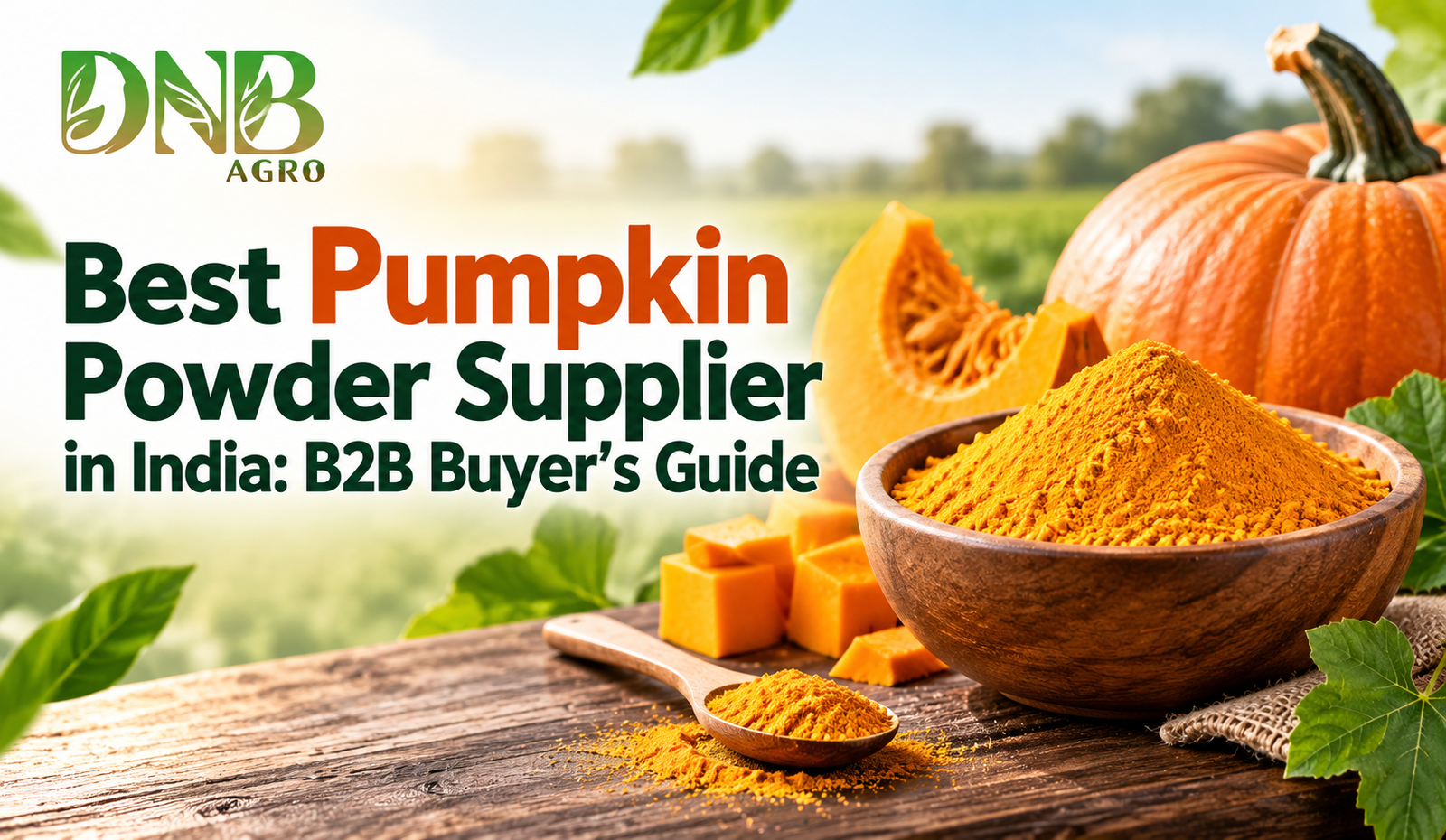


Oleaster Powder Uses: Food, Beverages, Recipes & Traditional Uses
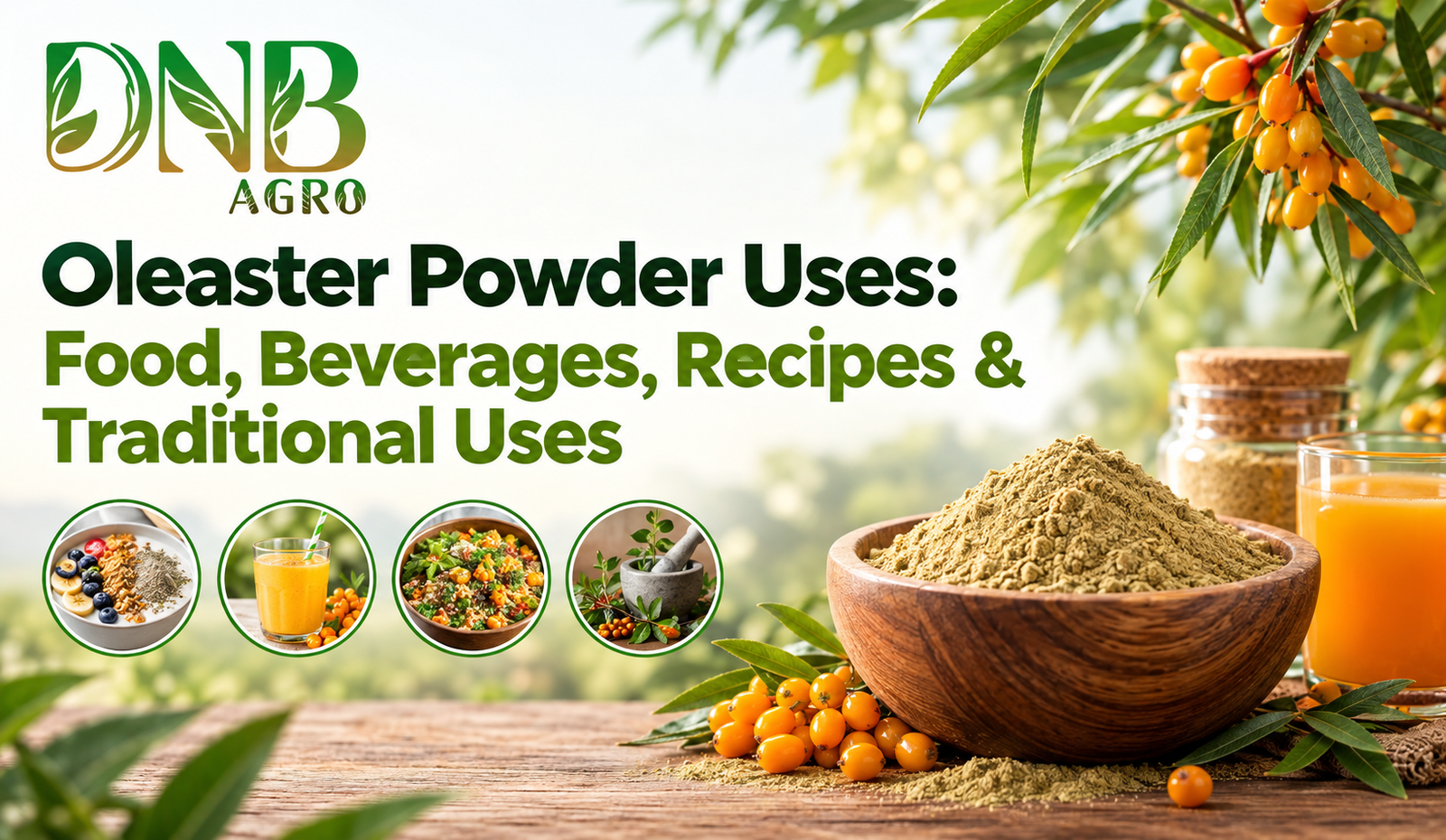
Oleaster powder is a fruit-based ingredient made from processed and dried oleaster fruit, commonly associated with Elaeagnus angustifolia, also known as Russian olive. The fruit has traditionally been consumed fresh or dried in parts of Asia and the Middle East, while modern food applications have created interest in convenient powdered forms.
Because fruit powders are easy to store, measure, and incorporate into different preparations, they can be used in a variety of food and beverage formulations. From baked goods and desserts to smoothies and blended drinks, there are several potential oleaster powder uses worth exploring. This guide covers its food applications, beverage uses, simple recipe ideas, traditional uses, storage, and factors to consider when purchasing the ingredient.
What Is Oleaster Powder?
Oleaster is the fruit of Elaeagnus angustifolia, a plant also commonly known as Russian olive. Its small fruits have traditionally been eaten fresh or dried and are used in various culinary and traditional preparations. Research describes the fruit as containing sugars, minerals, and other naturally occurring compounds, although composition can vary depending on factors such as variety, growing conditions, and processing.
Oleaster powder is produced by processing the fruit into a dried, powdered ingredient. In general, converting fruit into powder makes it easier to portion, transport, store, and incorporate into recipes than fresh fruit.
How Is Oleaster Powder Made?
A general processing sequence can involve selecting and cleaning the fruit, followed by appropriate drying or processing. The dried material can then be ground into a powder, sieved to achieve a more consistent particle size, and packed in suitable packaging.
The exact processing method can vary between manufacturers and products. Factors such as drying conditions, grinding, particle size, and packaging can influence the final characteristics of the powder.
What Does Oleaster Powder Taste Like?
Oleaster fruit is naturally associated with a sweet, fruity flavor, with published research identifying glucose and fructose among its major sugars. The final taste, aroma, color, and texture of the powder can vary according to the fruit, processing method, and whether the powder contains particular fruit components.
These characteristics make it suitable for applications where a fruit-based ingredient can contribute flavor and character to a formulation.
Oleaster Powder Uses in Food
One of the most practical uses of oleaster powder is in food preparation. As a powdered fruit ingredient, it can be incorporated into different recipes and formulations without requiring fresh fruit preparation. The amount used depends on the recipe, desired flavor, texture, and product specifications.
Oleaster Powder in Baked Products
Oleaster powder in food applications can include baked products such as breads, biscuits, cookies, cakes, and muffins. It can be blended with dry ingredients before the addition of liquids and other components.
For commercial baking, the powder can be evaluated according to its flavor, particle size, moisture characteristics, and compatibility with the overall formulation. For home recipes, starting with a small amount and adjusting it according to taste can make it easier to achieve the desired result.
Oleaster Powder in Desserts
Oleaster powder can also be incorporated into desserts and sweet preparations. Potential applications include puddings, dessert mixes, fillings, snack preparations, and other fruit-based recipes.
Because powdered ingredients can be distributed throughout a mixture, they can be convenient for recipes where using fresh fruit would add unwanted moisture or require additional preparation. The powder can also be combined with ingredients such as yogurt, oats, nuts, or other fruits.
Oleaster Powder in Sauces and Food Preparations
Another possible application is in sauces, fillings, dry mixes, and other prepared foods. Fruit powders can provide a convenient way of incorporating fruit-derived flavor into a formulation.
For commercial food manufacturers, oleaster powder applications can be assessed based on the intended product, processing conditions, flavor profile, and required consistency.
Oleaster Powder Uses in Beverages
Beverages are another area where powdered fruit ingredients can be convenient. Oleaster powder can be blended with liquid ingredients to create fruit-based drinks or incorporated into beverage formulations.
Oleaster Powder in Smoothies
A simple way to use the powder is to add it to smoothies containing fruits such as bananas, apples, berries, or mangoes. It can also be combined with yogurt or other suitable milk-based ingredients where appropriate.
The quantity should be adjusted according to the desired flavor and consistency. Mixing the powder thoroughly can help distribute it evenly throughout the beverage.
Oleaster Powder in Fruit Drinks
Oleaster powder can also be considered for fruit drinks, blended beverages, and other drink preparations. It can be mixed into a liquid base and combined with complementary fruit flavors.
For commercial formulations, factors such as solubility, particle size, flavor intensity, stability, and processing conditions should be evaluated before selecting an appropriate formulation.
Oleaster Powder in Functional Beverage Formulations
Fruit-derived powders may also be explored as ingredients in functional or specialty beverage formulations. However, the suitability of an ingredient for a particular product depends on its specifications and the formulation process.
Claims about specific health effects should not be assumed simply because an ingredient has been traditionally used or studied in laboratory settings. Product formulations should rely on appropriate scientific evidence and applicable food regulations.
Oleaster Powder Recipes to Try
There are several simple ways to experiment with oleaster powder recipes at home. The following ideas focus on culinary use rather than specific nutritional or medicinal claims.
Oleaster Powder Smoothie
Combine a banana, your choice of fruit, yogurt or another suitable liquid, and a small quantity of oleaster powder. Blend until smooth. Adjust the amount of powder according to taste and add more liquid if the smoothie becomes too thick.
Oleaster Powder Yogurt Bowl
Add yogurt to a bowl and top it with sliced fruit, nuts or seeds, and a small amount of oleaster powder. An optional sweetener can be added according to personal preference. Mix the ingredients before eating or leave them layered for texture.
Oleaster Powder Energy Bites
Combine oats, finely chopped nuts, dates, and oleaster powder in a bowl. Mix until the ingredients hold together, then form small balls. If the mixture is too dry, add a little more date paste or another suitable binding ingredient.
Oleaster Powder Dessert Mix
Oleaster powder can also be incorporated into simple dessert preparations. Mix a small quantity into a pudding, yogurt-based dessert, fruit filling, or other suitable preparation. Adjust the quantity gradually to achieve the preferred flavor and consistency.
Traditional Uses of Oleaster
Oleaster, particularly Elaeagnus angustifolia, has a long history of traditional use in several regions. Historical and scientific reviews describe the fruit as being consumed fresh or dried and used in traditional food and medicinal preparations. In Iranian traditional medicine, the fruit has been known as senjed and has been used in several traditional preparations.
Oleaster in Traditional Food Preparations
Traditional uses can include consuming the fruit in fresh or dried forms and incorporating it into preparations such as preserved fruit and other food products. Recent research also notes the fruit's potential relevance to food applications because of its naturally occurring polysaccharides and other components.
From Traditional Fruit Use to Modern Powder Applications
Powdering provides another way to handle a dried fruit ingredient. Instead of preparing the whole fruit for every application, a powdered form can be measured and incorporated into modern recipes, mixes, and formulations.
Traditional use should not, however, be interpreted as proof of a medical benefit. Modern health-related claims require appropriate scientific evidence and regulatory support.
How to Use Oleaster Powder in Everyday Recipes
When using oleaster powder at home, begin with a small quantity and adjust it according to the recipe and preferred flavor. It can be mixed with dry ingredients such as oats and flour or blended directly into wet preparations such as smoothies, yogurt, and desserts.
Thorough mixing helps distribute the powder evenly and can reduce clumping. The appropriate amount will depend on the particular product and recipe, so following the manufacturer's recommended usage level is advisable when one is provided.
For commercial applications, formulation trials can help determine the most suitable inclusion level, processing method, and combination of ingredients.
How to Store Oleaster Powder
Proper storage is important for maintaining the quality of any dried fruit powder. Keep the product in a cool, dry place away from direct sunlight and excessive heat. The container should remain tightly sealed when the powder is not being used.
Protect the powder from moisture, as exposure can affect its texture and handling characteristics. Always use clean, dry utensils when taking the product from its container.
For packaged commercial products, follow the manufacturer's stated storage conditions and shelf-life information.
Choosing High-Quality Oleaster Powder
When purchasing oleaster powder, buyers should look beyond appearance and consider the product's specifications, intended application, and supplier information.
Check Purity and Ingredient Information
Review the ingredient declaration and product specifications to understand exactly what the powder contains. Buyers should also check whether the product meets the requirements of their intended food application.
Consider Processing and Packaging
Appropriate processing and packaging can help protect a powdered ingredient during storage and transportation. Packaging should provide suitable protection from moisture and other environmental factors.
Check Quality and Supplier Information
For buyers sourcing bulk oleaster powder, useful considerations include product specifications, packaging options, minimum order quantities, quality documentation, batch consistency, and supply capacity. Commercial buyers should communicate their requirements clearly with the supplier before placing an order.
For product specifications and more information about DNB Agro's Oleaster Powder, visit the Oleaster Powder product page.
Frequently Asked Questions About Oleaster Powder
What is oleaster powder used for?
Oleaster powder can be used as a fruit-based ingredient in foods, beverages, smoothies, desserts, baked products, mixes, and other culinary preparations. Applications depend on the product's specifications and intended formulation.
How do you use oleaster powder?
Start with a small quantity and mix it into a suitable food or beverage. It can be added to smoothies, yogurt, desserts, baked products, dry mixes, and other recipes according to taste and formulation requirements.
Can oleaster powder be used in beverages?
Yes. It can be incorporated into smoothies, fruit drinks, blended beverages, and other formulations. The appropriate quantity depends on the desired flavor, texture, and product specifications.
Can I use oleaster powder in recipes?
Yes. Common culinary ideas include smoothies, yogurt bowls, energy bites, desserts, baked products, and fruit-based preparations.
How should oleaster powder be stored?
Store it in a cool, dry place in a tightly sealed container. Protect it from moisture, heat, and direct sunlight, and follow the storage instructions supplied with the product.
What should I look for when buying oleaster powder?
Consider purity, ingredient information, product specifications, packaging, quality documentation, batch consistency, minimum order requirements, and the supplier's ability to meet your volume and application needs.
If you have bulk requirements or need more information about product specifications, packaging, or supply options, contact DNB Agro to discuss your requirements.